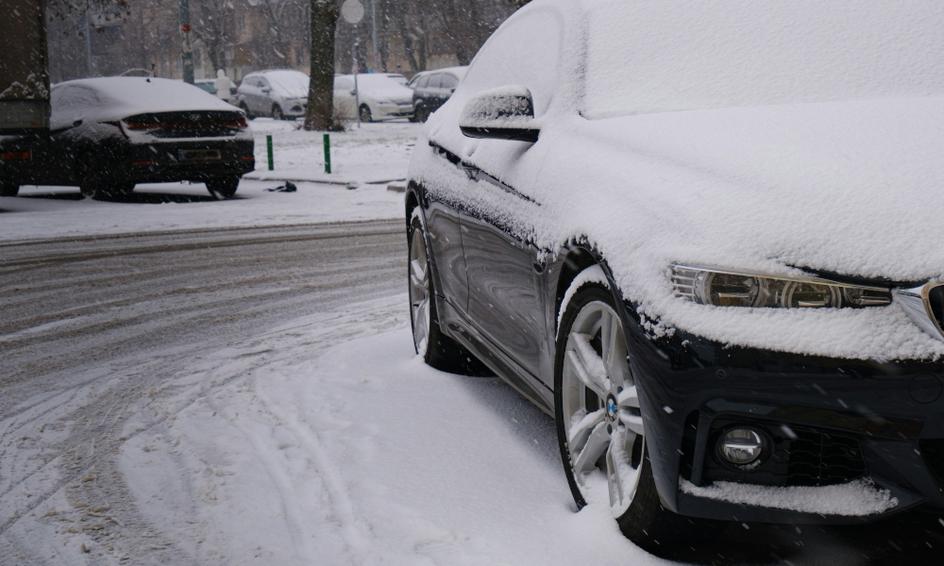
Cold winter mornings often start with the same frustration: a car covered in ice. While it can be tempting to rush the job and drive off quickly, improper de-icing can damage your vehicle or put your safety at risk. Knowing the most effective, not to mention safest, ways to de-ice your car will help you get moving quickly without causing damage to your car.
In an ideal world, you’ll have both the time and the right equipment to de-ice your car properly. One of the following, or a combination of all four, is the most effective, safe, and speedy option.
Use a proper ice scraper
A good-quality plastic ice scraper remains the safest and most reliable method. Start by clearing the windscreen, then move to side windows, mirrors and lights. Use steady, gentle pressure to avoid scratching the glass.
TIP: Heated or rubber-edged scrapers can make the job quicker and reduce strain on the glass.
Turn on your car’s heater and demisters
Start the engine and activate the front and rear demisters. Warm air helps loosen ice from the inside, reducing the effort needed outside.
TIP: Always ensure your exhaust pipe is clear of snow or ice before running the engine.
Use a commercial de-icing spray
De-icer sprays are designed to melt ice quickly without harming glass or seals. Spray evenly and allow it to work for a few seconds before scraping.
TIP: Keep a bottle in your car overnight so it’s ready when you need it.
Cover your windscreen overnight
Prevention is often the best cure. Windscreen covers, old blankets or even cardboard can stop ice forming in the first place. Simply remove the cover in the morning and you’re ready to go.
De-Icing dos and don’ts
DO:
- Clear all windows, mirrors, lights and number plates, not just a small viewing hole.
- Allow extra time in winter so you’re not tempted to rush.
- Check your wiper blades are free from ice before switching them on.
DON’T:
- Never pour boiling or very hot water onto your windscreen. The sudden temperature change can crack the glass instantly.
- Don’t use household tools like metal scrapers, credit cards or knives, as they can scratch or weaken the glass.
- Never drive with icy patches left on your windows; it reduces visibility and could lead to fines or accidents.
- Don’t rely on wipers alone to clear thick ice, as this can damage the motor or blades.
Driving with reduced visibility is extremely dangerous, in winter conditions where stopping distances are already longer. Ice left on the roof can slide forward under braking, blocking your windscreen, while ice flying off your car can endanger other road users.
Taking a few extra minutes to de-ice your car properly protects your vehicle, improves visibility and helps keep everyone safer on the road. With the right tools, a calm approach and good preparation, icy mornings don’t have to derail your day.
If you do notice that your windscreen is damaged or chipped, make sure you get it looked at by a windscreen specialist right away. Want more advice? Follow us on Facebook or X.