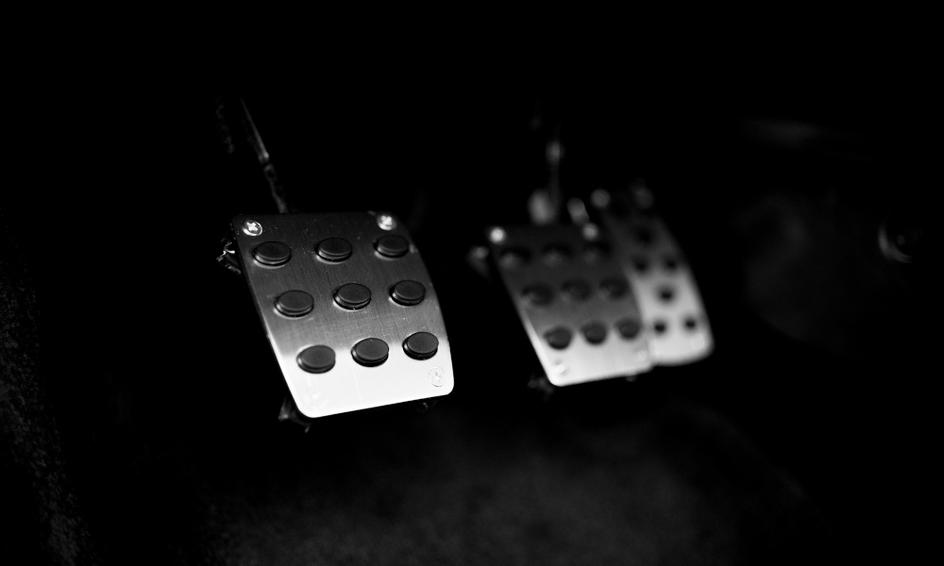
It doesn’t matter if you drive a small city car or a heavy-duty van, your clutch works hard every time you drive. Understanding how it works, and how to look after it, can save you from costly repairs and inconvenient breakdowns.
What does the clutch do?
The clutch sits between the engine and the gearbox; when you press the clutch pedal, it temporarily disconnects the engine from the wheels, allowing you to change gears. Releasing the pedal reconnects them, transferring power back to the wheels so you can accelerate.
In simple terms, the clutch is what helps your car move smoothly from a standstill, change speed, and drive efficiently. It’s designed to withstand friction, but over time, this constant wear can take its toll, especially if your driving habits put extra strain on the system.
What does it mean when you smell the clutch?
If you ever notice a strong burning smell while driving, particularly after stopping and starting in traffic or driving uphill, it could be your clutch. A burning clutch smell is often compared to burning rubber or hot brakes and is usually a sign of overheating caused by excessive friction.
There are a few common reasons this can happen:
- Riding the clutch: keeping your foot on the clutch pedal, even lightly, prevents it from fully engaging, causing unnecessary friction and heat.
- Slipping clutch: if your clutch is worn or damaged, it may slip when you accelerate, meaning the engine revs but the car doesn’t respond as it should. This can quickly overheat the clutch plate.
- Hill starts or heavy loads: holding the clutch at the biting point on steep hills or while towing puts extra stress on the system.
- Stop-start driving: constantly moving in slow traffic can make the clutch work harder than usual, especially if you’re frequently riding it between gears.
If you notice a burning smell more than once, it’s best to have your car inspected by a trusted local garage. Ignoring the signs can lead to needing a complete clutch replacement; a much more expensive and inconvenient problem to fix.
How to preserve your clutch
Clutches are built to last, but their lifespan depends largely on how you drive. Here are some simple ways to help yours go the distance:
- Avoid resting your foot on the pedal. Only press the clutch when changing gear or coming to a stop. Even slight pressure can cause unnecessary wear.
- Don’t hold the car on the clutch. When waiting on a hill, use the handbrake instead of balancing on the bite point.
- Shift gears smoothly. Avoid aggressive gear changes or high revs when pulling away.
- Reduce stop-start strain. In traffic, use neutral when stationary instead of keeping the clutch engaged.
- Book regular services. During routine checks, mechanics can test for signs of wear or clutch slippage before it becomes serious.