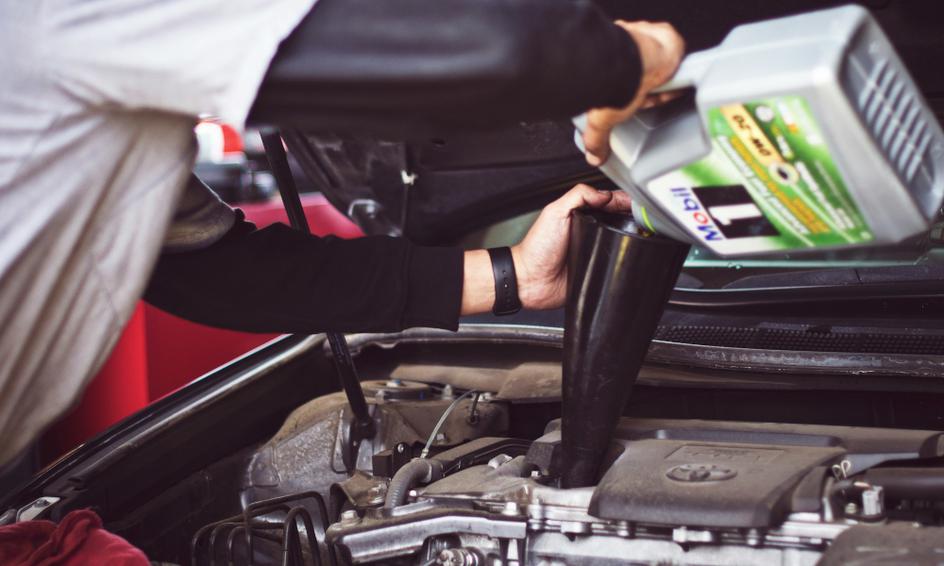
When it comes to vehicle maintenance, the regular oil change is one of the most important but overlooked jobs. Engine oil is the lifeblood of your car, keeping all the moving parts running smoothly and protecting against wear. If you neglect oil changes, you might not cause immediate breakdowns, but over time, the consequences can be costly and even dangerous. For drivers where stop-start traffic, unpredictable weather and short commutes put extra strain on vehicles, staying on top of oil maintenance is essential.
The importance of engine oil
Engine oil serves three main purposes:
- Lubrication: It prevents metal components from grinding together, reducing friction and wear;
- Cooling: By carrying heat away from critical areas, oil helps regulate engine temperature;
- Cleaning: Oil carries away dirt, metal particles and combustion deposits, which are then trapped in the filter.
Without clean oil your engine has to work much harder, and that’s when damage can happen.
Signs you need to change your oil
While most manufacturers recommend an oil change every 5,000–10,000 miles (or at least once a year), some driving conditions mean you may need it sooner. Common warning signs include:
- The oil warning light appearing on your dashboard
- Dark, dirty or gritty oil on the dipstick
- Louder engine noise than usual, such as knocking or ticking
- Increased exhaust smoke.
If you notice any of these, it’s time to book in with your local garage.
Benefits of regular oil changes
- Better performance: fresh oil keeps the engine running efficiently, improving fuel economy;
- Longer engine life: clean oil reduces wear, meaning fewer repairs and a longer lifespan for your vehicle;
- Lower emissions: dirty oil contributes to higher emissions, which could cause your car to fail its MOT.
Choosing the right oil
Most modern cars use either fully synthetic or semi-synthetic oil. Your vehicle handbook will specify the correct grade, such as 5W-30 or 10W-40. Using the wrong oil can affect performance and even damage your engine, so if you’re unsure, ask your garage for advice.
DIY or professional service?
While checking your oil level at home is simple, a full oil and filter change is best left to professionals unless you’re confident with car maintenance. A trusted local garage will:
- Drain and replace the oil safely
- Fit a new oil filter
- Check for leaks and other issues at the same time.
This ensures the job is done correctly and your car remains in top condition.
By changing your oil regularly, you can not only improve the performance and reliability of your vehicle, but you’ll make sure that it’s more likely to pass it’s MOT, and you’ll be less likely to cause engine damage, saving money in the longer term. If you’re unsure when your oil was last changed, or when it might need to be changed, check with your local garage – and make sure you get it booked in. For more tips, follow Trust A Garage on Facebook or X.