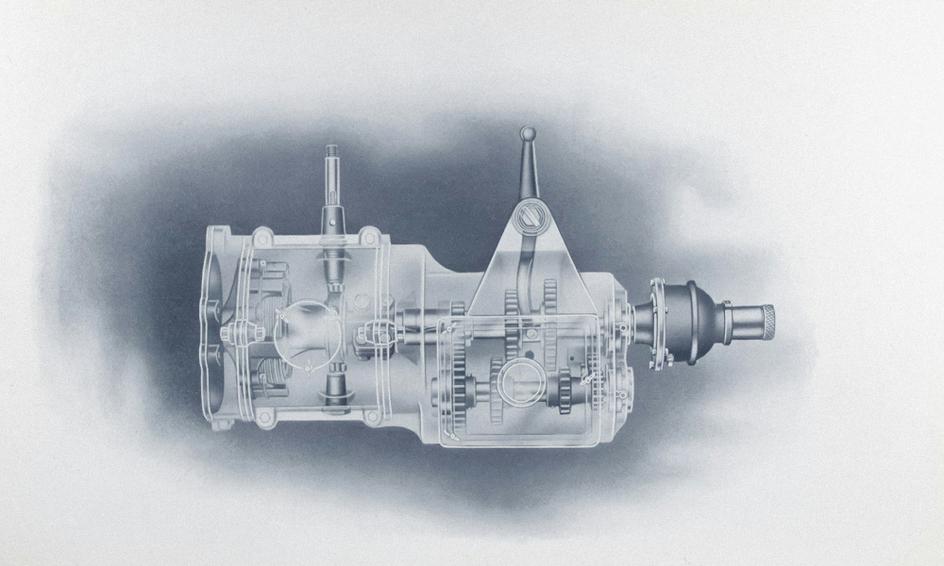
The clutch is one of the most important, and most misunderstood, components of a car with a manual gearbox. Whether you’re new to driving or have years of experience behind the wheel, knowing how your clutch works and how to look after it can help you avoid costly repairs and keep your car running smoothly.
The basics
In simple terms, the clutch is a mechanical device that connects and disconnects the engine from the gearbox. Pressing the clutch pedal disengages the engine, allowing you to change gear or stop the car without stalling. When you release it, the engine reconnects to the wheels, transferring power so that you can move.
Without a functioning clutch, you wouldn’t be able to drive your car at all, which is why recognising problems early is so important.
A common issue some drivers experience is the clutch pedal sticking to the floor while driving, then popping back up after a short delay. This is usually a sign that something needs attention rather than an immediate breakdown.
Possible causes include:
- Hydraulic system issues: if your car has a hydraulic clutch, low fluid levels, a leak, or a failing master/slave cylinder can cause the pedal to stick.
- Worn or damaged clutch cable such as a fraying or stretched cable can create sticking.
- Air in the hydraulic system means that air bubbles reduce the system’s efficiency, making pedal movement inconsistent.
- Mechanical binding indicates a problem with the release mechanism, such as a worn release bearing or pressure plate, can occasionally cause sticking.
If you notice this happening, check the clutch fluid level (if safe and you know how) and look for leaks. Even if the problem seems intermittent, it’s best to have it inspected by a trusted mechanic as soon as possible as catching the cause early can prevent a full clutch failure.
The repair will depend on the root cause. If the problem is low or contaminated clutch fluid, it can usually be fixed by refilling or replacing the fluid. For clutch cable problems, the fix may be simple such as adjustment or lubrication, or a replacement may be needed.
Because the clutch plays such a critical role in safety and drivability, it’s not advisable to delay repairs or attempt major fixes at home unless you have the right skills and tools.
With good driving habits, you can extend the life of your clutch and avoid premature wear:
- Keep your foot off the clutch pedal unless you are changing gear.
- Use the handbrake on hills instead of balancing the car with the clutch.
- Avoid aggressive acceleration or abrupt gear changes.
- Partial engagement can cause grinding and wear.
Car maintenance isn’t anyone’s first choice when spending money, but keeping on top of problems before they arise will save you money and stress in the long term. If you’re concerned about your clutch or any other part of your vehicle, get in touch with a trusted local garage and get it checked out. For more tips, follow us on Facebook or X.