Your car battery is something you rarely think about, until the day your engine won’t start. As the heart of your vehicle’s electrical system, the battery powers everything from the starter motor to the lights, dashboard electronics, and essential safety features. But like all components, it has a limited lifespan.
Here’s what you need to know about when, and why, you should replace your car battery.
How long does a car battery last?
Most car batteries last 3 to 5 years, but this range can vary depending on:
- Climate – Cold winters and hot summers both reduce battery life.
- Driving habits – Lots of short journeys prevent the battery from fully recharging.
- Electrical demand – Modern vehicles with heated seats, screens and accessories put extra pressure on the battery.
- Maintenance – Leaving interior lights on or using the car infrequently can shorten battery lifespan.
If your battery is approaching 3 years old, it’s wise to start paying closer attention to how your vehicle behaves.
Signs your battery is failing
A weak battery rarely fails overnight. Instead, it gives you several early warning signs that it’s time for a replacement. Watch out for:
Slow engine start - if the engine turns over slowly or sounds laboured, your battery may not be providing enough power. This is the most obvious indicator that it’s nearing the end of its life.
Dim headlights or flickering electronics - weak batteries can cause headlights to dim when idling or interior lights to flicker. This usually means the battery is struggling to hold charge.
Dashboard warning light - the battery or charging system warning light should never be ignored. It could indicate a failing battery, worn alternator, or another electrical fault.
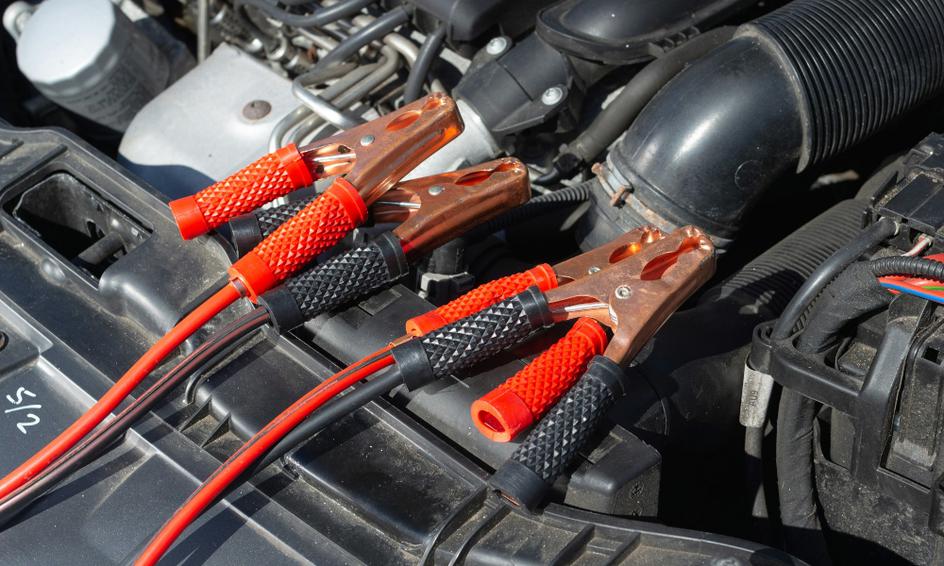
Needing multiple jump starts- if you’ve needed more than one jump start in recent weeks, the battery is no longer reliable, even if it seems fine after recharging.
Swollen case or signs of corrosion - physical signs are just as important: look out for a swollen case or corrosion on the terminals.
Delaying battery replacement does more than increase the risk of a breakdown. A failing battery puts extra strain on the alternator, causing it to wear out sooner and potentially leading to costly repairs. It can also interfere with electronic systems such as the immobiliser and start-stop technology and may cause unpredictable electrical faults that are often more expensive to diagnose and fix. Replacing the battery at the right time helps protect other components, reduces repair costs and keeps your car running reliably.
Many trusted garages offer free or low-cost battery health checks, using diagnostic tools to measure voltage, cranking power, charging performance and overall battery condition. These quick assessments provide an accurate picture of how well your battery is functioning and can identify whether it is healthy, weakening or in urgent need of replacement.