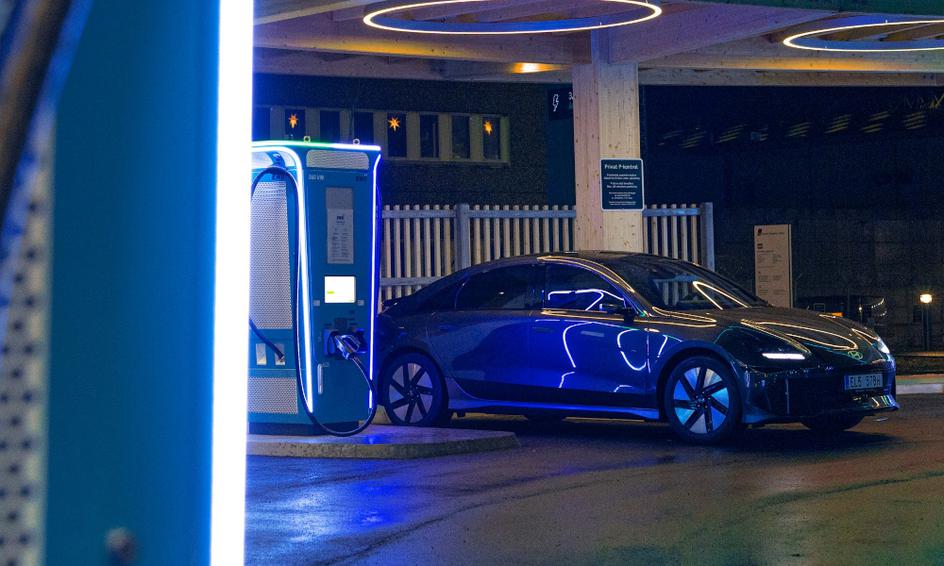
Electric and hybrid vehicles are becoming a common sight on UK roads. With lower emissions, quieter driving and potential fuel savings, it’s easy to see why more drivers are making the switch, especially as there are now some affordable second-hand options on the road. One question many car owners have is how servicing an electric or hybrid car compares to a traditional petrol or diesel vehicle.
Routine checks that don't change
No matter what you drive, safety is the priority. Electric and hybrid vehicles still have tyres, brakes, suspension, steering and lighting systems that require regular inspection.
Tyres must be checked for tread depth, wear and correct pressure. In fact, because electric vehicles (EVs) are often heavier due to their battery packs, tyre wear can sometimes be higher. Regular checks at a trusted garage help ensure safe handling and efficiency.
Brakes also remain essential. Although EVs use regenerative braking systems that can reduce wear on brake pads and discs, they still need to be inspected for corrosion and performance. Steering and suspension parts are also subject to everyday wear and tear, especially on uneven UK roads.
Windscreen wipers, washer fluid, lights, cabin filters and air conditioning systems all require routine maintenance too. In short, many of the standard checks carried out during a service stay exactly the same.
Servicing an electric Car: what’s different
Unsurprisingly, the biggest difference lies under the bonnet. Fully electric vehicles don’t have a traditional internal combustion engine, which means no engine oil changes, spark plugs, timing belts or exhaust systems to worry about. This reduces the number of moving parts and, in many cases, lowers servicing costs.
Instead, servicing focuses on the high-voltage battery, electric motor and associated systems. Specialist diagnostic equipment is used to check battery health, performance and software updates. Cooling systems, which regulate the temperature of the battery and motor, must also be inspected to prevent overheating.
Hybrid servicing: balancing electric and petrol care
Hybrid vehicles combine a petrol or diesel engine with an electric motor, so need a mixture of traditional and electric servicing.
The engine still needs oil and filter changes, and components such as spark plugs and fuel filters must be replaced at recommended intervals. However, the electric motor and battery system also require checks similar to a fully electric vehicle.
As with EVs, hybrid brake systems often last longer thanks to regenerative braking, but they still need regular inspection to ensure everything is functioning correctly.
Because EVs operate with high-voltage components, it’s essential that technicians are properly trained. Booking your electric or hybrid car into a trusted local garage will ensure that qualified technicians are checking both traditional and high-voltage systems properly.
Finding a qualified garage for electric and hybrid vehicles
Not every garage is qualified to work on electric or hybrid vehicles. Look for a trusted garage with IMI-trained technicians (Institute of the Motor Industry) who are certified for high-voltage systems. These garages have the equipment and training to handle EVs safely and accurately.
Electric and hybrid cars require less maintenance than traditional vehicles, but they still need expert care. Many trusted garages across the UK now offer specialist EV and hybrid servicing. By booking regular checks with a qualified mechanic, you’ll keep your vehicle safe, efficient, and performing at its best for years to come. Want to find an EV specialist garage near you? Look no further than TrustAGarage’s online directory.