Looking for a better deal on your insurance? Get a quote
Become a registered garage - Join us


Help & advice

Read helpful tips, tricks, and guides about your car and/or motor vehicle.

  • Breakdowns & Emergencies

    Advice on handling vehicle breakdowns and roadside emergencies safely.

    • What to do After Jump Starting Your Car: Essential Steps to Keep You on the Road

      What to do After Jump Starting Your Car: Essential Steps to Keep You on the Road

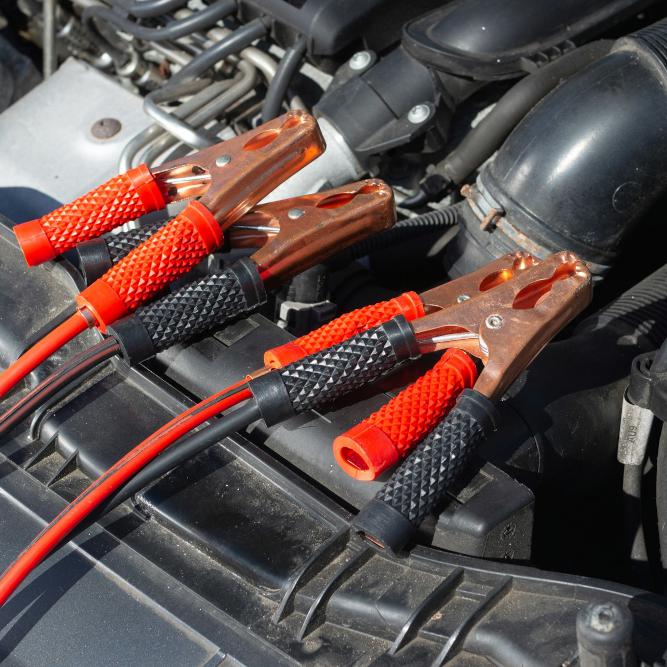
      It’s that time of year when your car battery works overtime. Dark mornings, longer nights and a constant demand for lights, heaters, demisters and the radio all put extra pressure on your electrical system. If you’ve found yourself with a flat battery and managed to get the car running again with a jump start, it’s important to take the right steps afterwards to avoid being stranded again.

    • Car Not Starting? Here’s What You Need To Know (and Do)

      Car Not Starting? Here’s What You Need To Know (and Do)

      Most of us have been there: you turn the key in the ignition and nothing happens, or something happens, but your car won’t go. Of course, this usually happens at the most inconvenient time: when you are running late; when you are blocking the road; or when, as one of our garage’s customers experienced, you are waiting in the queue to get on a ferry.

    • What To Do After a Traffic Collision Part Three: Insurance and Repairs

      What To Do After a Traffic Collision Part Three: Insurance and Repairs

      Anyone involved in a collision will probably tell you that the situation goes in a blur: one minute you are driving along as normal and the next, you are exchanging insurance information. It is important that you do what you are legally and morally required to do in the moments immediately after an accident, as well as in the days and weeks following.

  • Buying & Selling

    Guidance on buying and selling cars, including checks, valuations and avoiding common pitfalls.

    • Electric & Hybrid Car Servicing: What Changes, What Stays the Same

      Electric & Hybrid Car Servicing: What Changes, What Stays the Same

      Electric and hybrid vehicles are becoming a common sight on UK roads. With lower emissions, quieter driving and potential fuel savings, it’s easy to see why more drivers are making the switch, especially as there are now some affordable second-hand options on the road. One question many car owners have is how servicing an electric or hybrid car compares to a traditional petrol or diesel vehicle.

    • Used Cars: Considering Buying Diesel?

      Used Cars: Considering Buying Diesel?

      When buying a diesel car, one of the key questions to consider is whether to prioritise lower mileage or a newer model. Diesel cars are known for their fuel efficiency and longevity, making them a popular choice for high-mileage drivers. However, with increasing emissions regulations and changing market trends, the car that you choose now can have long-term financial and practical implications.

    • Battery Preservation: The Facts

      Battery Preservation: The Facts

      As the temperatures drop, your car battery has to work even harder. Not only does it need to get a cold engine going, but it needs to demist and de-ice windscreens and keep passengers warm. What’s more, the chemical reactions in the battery slow down as temperatures drop, so your battery is less efficient at storing energy. This can be a significant issue on short trips, where a lot of energy goes into starting and warming your car, but there is not enough driving time to replace that energy.

  • Car Maintenance

    Practical car maintenance advice covering routine checks, vehicle care and keeping your car running reliably.

    • Peeling Paint? Here’s What You Need to Know

      Peeling Paint? Here’s What You Need to Know

      Peeling paint on a car or van is more than just an eyesore. Left untreated, it can expose the metal beneath, leading to rust, corrosion and more expensive repairs later on. Whether it’s a small patch on a door or widespread peeling across the bonnet or roof, acting early is key.

    • Shock Absorber Basics

      Shock Absorber Basics

      Your car’s suspension is responsible for keeping you both safe and comfortable on the road. You may not notice how hard the suspension is working, until it fails. Shock absorbers help your car to handle well and do exactly as their name suggests: absorb the shocks of bumps and dips in the road. In this blog, we explain what they do and how to tell when they may need to be replaced.

    • January Car Maintenance: Start the Year Right

      January Car Maintenance: Start the Year Right

      January marks the beginning of a new year, and, for many, a time for resolutions and fresh starts. While you're setting personal goals, don't forget to give your car a little bit of attention. The fluctuating weather can result in extreme driving conditions, which make it more important than ever that your car is in great condition. Take a look at our top tips to make sure your vehicle is ready to keep you safe on the roads.

  • Driver Advice

    Helpful driver advice covering road safety, driving tips and everyday vehicle guidance.

    • Keep Your Car on the Nice List: Winter Maintenance Tips from Trusted Garages

      Keep Your Car on the Nice List: Winter Maintenance Tips from Trusted Garages

      Winter can be one of the toughest times of year for your car. Cold temperatures, darker evenings, wet roads and icy conditions all place extra strain on key components, increasing the risk of breakdowns and safety issues. With Christmas travel, school runs and busy winter schedules to think about, the last thing any driver wants is to be left stranded. The good news is that a few simple maintenance checks, ideally carried out by a trusted garage, can help keep your car reliable and roadworthy throughout the colder months.

    • The Warning Lights You Shouldn’t Ignore (and What They Mean)

      The Warning Lights You Shouldn’t Ignore (and What They Mean)

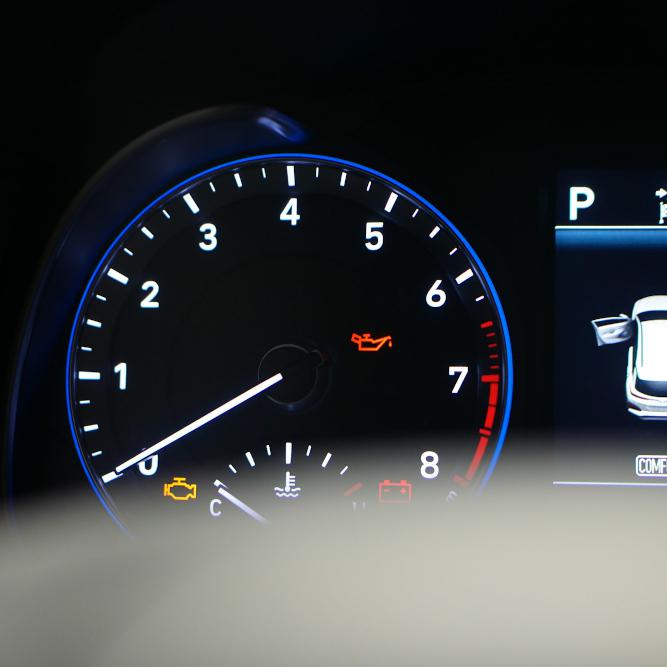
      Modern cars feature clever technology designed to keep you safe and aware of issues. It may be tempting to ignore warning lights, especially if your car is driving OK, but some warning lights signal serious problems that could lead to breakdowns, expensive repairs, or safety risks if left unchecked. Here’s what you need to know.

    • MOT Failures Explained: Common Issues and How to Prevent Them

      MOT Failures Explained: Common Issues and How to Prevent Them

      Every year, millions of drivers face the frustration of their car failing its MOT. For many, this comes as an expensive surprise, but in fact most MOT failures are caused by common issues that could have been spotted and resolved beforehand. With a little routine maintenance and regular visits to your local garage, you can greatly increase your chances of passing first time. Here are the main reasons cars fail their MOT, and what you can do to avoid them.

  • Engine & Mechanical

    Advice on engine issues, mechanical repairs and keeping your vehicle running efficiently.

    • When to Replace Your Car Battery: Warning Signs You Shouldn’t Ignore

      When to Replace Your Car Battery: Warning Signs You Shouldn’t Ignore

      Your car battery is something you rarely think about, until the day your engine won’t start. As the heart of your vehicle’s electrical system, the battery powers everything from the starter motor to the lights, dashboard electronics, and essential safety features. But like all components, it has a limited lifespan.

    • Got THAT clutch smell? Here’s what you need to know

      Got THAT clutch smell? Here’s what you need to know

      It doesn’t matter if you drive a small city car or a heavy-duty van, your clutch works hard every time you drive. Understanding how it works, and how to look after it, can save you from costly repairs and inconvenient breakdowns.

    • Oil Changes: Why Your Engine Needs Them

      Oil Changes: Why Your Engine Needs Them

      When it comes to vehicle maintenance, the regular oil change is one of the most important but overlooked jobs. Engine oil is the lifeblood of your car, keeping all the moving parts running smoothly and protecting against wear. If you neglect oil changes, you might not cause immediate breakdowns, but over time, the consequences can be costly and even dangerous. For drivers where stop-start traffic, unpredictable weather and short commutes put extra strain on vehicles, staying on top of oil maintenance is essential.

  • MOT & Servicing

    Advice on MOT tests, servicing and keeping your vehicle safe and roadworthy.

    • What Happens During a Full Car Service? A Driver’s Guide

      What Happens During a Full Car Service? A Driver’s Guide

      Regular servicing is one of the best ways to keep your car safe, reliable and running efficiently. Yet many drivers aren’t entirely sure what actually happens when they book their vehicle into a garage. Understanding the difference between an interim, full and major service can help you maintain your car properly and avoid costly problems later on.

    • Hybrid and Electric Car Servicing: What You Need To Know

      Hybrid and Electric Car Servicing: What You Need To Know

      As more drivers make the switch to hybrid and electric vehicles (EVs), questions around servicing and maintenance are becoming increasingly common. While these cars are designed to be efficient and reliable, they still need regular attention to keep them in top condition. Understanding how servicing differs from a petrol or diesel vehicle can help you save money, extend vehicle life, and avoid unnecessary surprises.

    • Top Reasons for MOT failure

      Top Reasons for MOT failure

      The MOT (Ministry of Transport) test is a compulsory test for vehicles which ensures that they meet the minimum safety and environmental standards. Driving without an MOT (unless you are driving to the test centre) is illegal, and your mechanic will do what is needed to make sure that your vehicle passes. However, understanding the most common reasons for MOT failure can help you better prepare your vehicle for its MOT test and avoid these problems.

  • Seasonal Driving

    Advice on preparing your vehicle for different seasons and weather conditions.

    • De-icing Tips

      De-icing Tips

      Cold winter mornings often start with the same frustration: a car covered in ice. While it can be tempting to rush the job and drive off quickly, improper de-icing can damage your vehicle or put your safety at risk. Knowing the most effective, not to mention safest, ways to de-ice your car will help you get moving quickly without causing damage to your car.

    • Your Winter Safety Checklist, Part Two

      Your Winter Safety Checklist, Part Two

      Welcome to the second part of your winter checklist! A breakdown or an accident due to the weather conditions could be both inconvenient and dangerous; taking the time to carry out some winter checks could save time, money, and even lives.

    • Your Winter Safety Checklist, Part One

      Your Winter Safety Checklist, Part One

      The Great British weather is more unpredictable than ever, with temperature fluctuations, storm, wind, rain and snow within one short month.

  • Tyres & Wheels

    Guidance on tyre safety, wheel maintenance and keeping your vehicle road safe.

    • Car Tyres Part Two: Choosing the Right Tyres for You

      Car Tyres Part Two: Choosing the Right Tyres for You

      Once you know your tyres need replacing, you’ve got a tough decision to make: should you choose budget, mid-range, or premium tyres?

    • Car Tyres Part One: How Long Should Tyres Last?

      Car Tyres Part One: How Long Should Tyres Last?

      Tyres are the only part of your car that actually touches the road, yet many drivers are unsure how long they should last or when they really need replacing. Understanding tyre lifespan is essential for safety, performance, and avoiding MOT failures.

    • Focus on: Tyre Pressures

      Focus on: Tyre Pressures

      In the UK, maintaining the correct tyre pressure for your vehicle is essential for safety, fuel efficiency, and tyre longevity. It can be easy to slip into bad habits or get used to driving with the incorrect tyre pressure. Here’s what you need to know.

Looking for more advice?

Find clear, practical answers to common questions, helping homeowners understand everyday issues, know what checks they can carry out safely, and when it is best to contact a qualified professional.

Have a question about TrustAGarage?

If you have a question in relation to TrustAGarage specifically, please check out the TrustAGarage FAQs, with separate lists tailored to consumers and tradespeople. Alternatively, get in touch with our team. We're happy to help!